


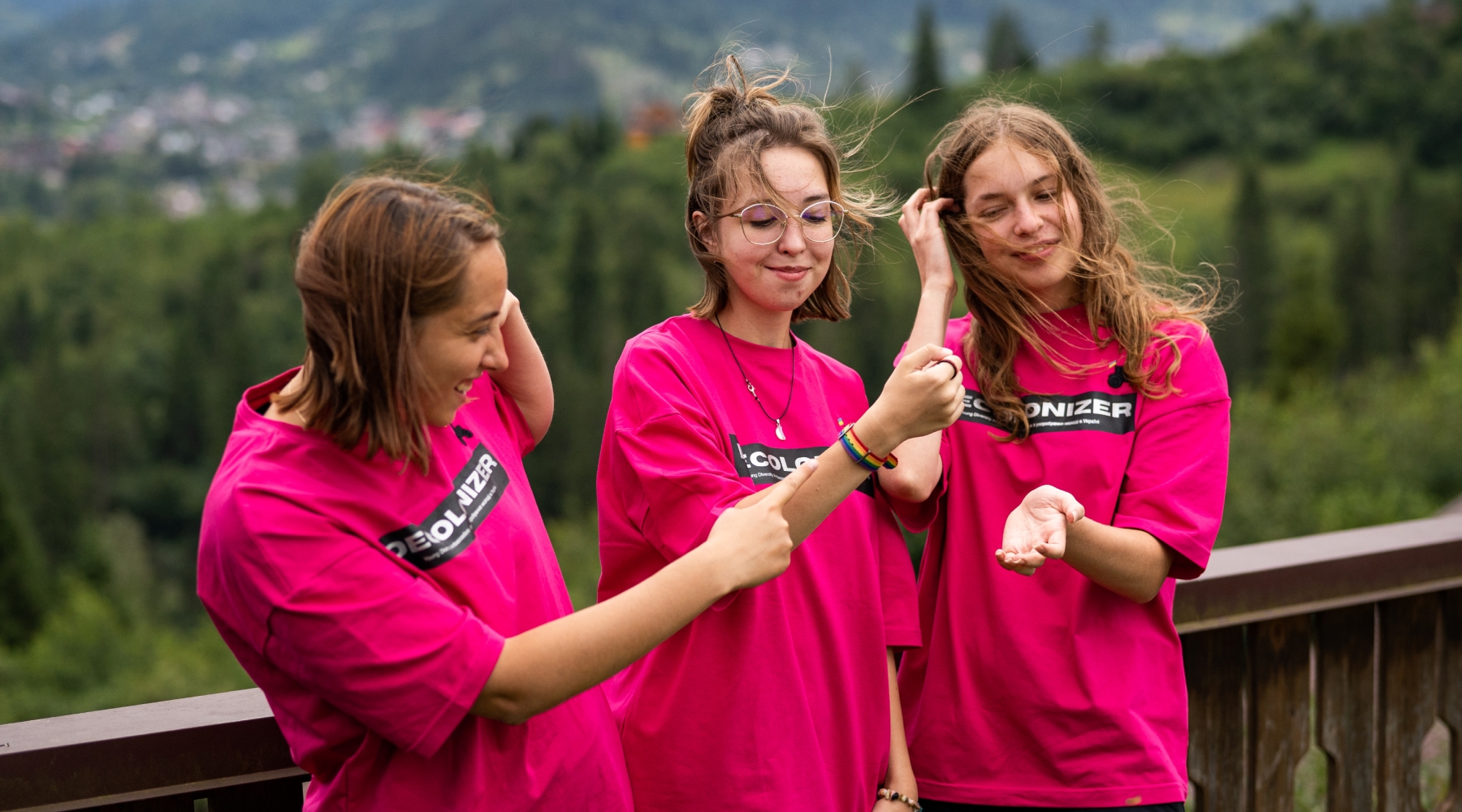
In 2014, after relocating from Luhansk to Ivano-Frankivsk, the non-governmental organisation «STAN» noticed that certain topics received insufficient attention. They began promoting intercultural dialogue — holding meetings with students from different countries, representatives of the LGBTQ+ community, and other vulnerable groups. This later grew into a local program that highlights diversity and fosters youth activism. With the start of the full-scale invasion, it evolved into a larger initiative — Young Diversity Ambassadors (YDA). In 2023, YDA became part of the international Global Platforms network, which amplifies the voice of Ukrainian youth worldwide.
Platfor.ma, together with STAN, has prepared an in-depth guide to the program that is nurturing a new generation of activists in Ukraine.

How Young Diversity Ambassadors Develops Youth Activism
Today, YDA’s main goal is to prepare young people for post-war reconstruction, guided by the values of an open society, democracy, human rights, inclusion, and decolonization.
Participants first complete a basic course in the Carpathians, where they are brought from across the country. Afterward, they attend thematic workshops devoted to memory, accessibility, feminism, and more. There they meet peers, develop and implement their own projects, and the most active even take part in educational trips to countries that once faced similar post-war challenges.
“This year, it will be the city of Vukovar, between Croatia and Serbia. It was besieged, then fell, and later was retaken. It’s now a nationwide case study in Croatia. We’re taking a group of young people there who are interested in the topic of post-war reconstruction,” says Yaroslav Minkin, founder and board member of STAN.
Some participants arrive with project ideas, others without — but everyone can take a special online course that helps make the first step toward implementation. All ambassadors may also apply for funding and receive grants of up to €1,000. The program has already supported around 40 projects.
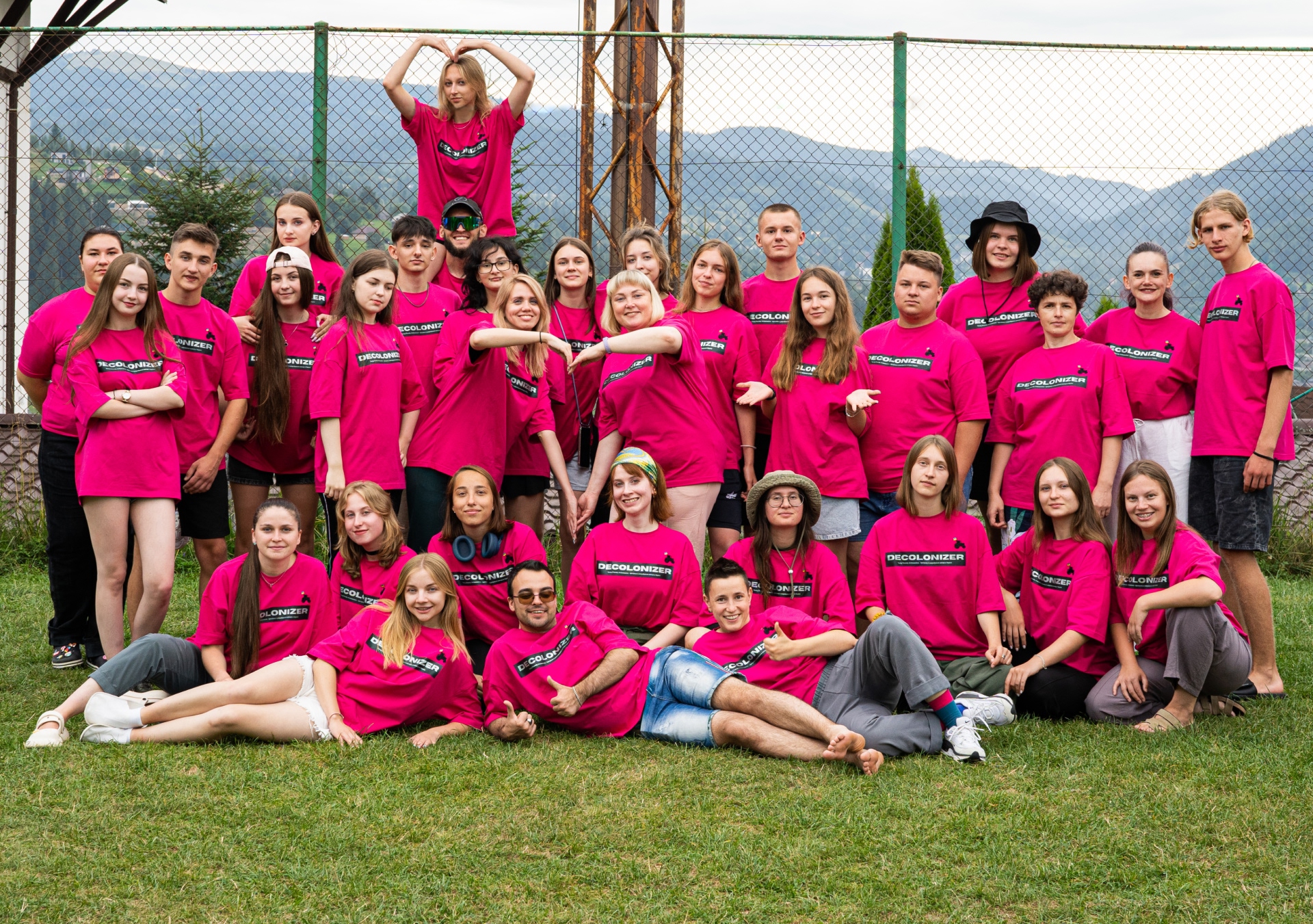
Training is built entirely on practice and real-life cases. The training team consists of people who themselves have faced prejudice and turned that experience into expertise. External experts are also involved — for example, a recent workshop was led by the former head of the Ukrainian Institute of National Memory.
“Ukrainian youth are highly experienced. When we take young people from Ukraine to Germany or France to share experiences with their peers, it sometimes feels like there’s hardly anything left to discuss,” Yaroslav says.
Overall, Young Diversity Ambassadors is a comprehensive activist training program. To strengthen it, the team drew on the experience of organizations such as the Czech People in Need, known for developing activism in authoritarian countries, and ActionAid, which creates youth hubs worldwide.
Strengthening Through Global Platforms
At the beginning of 2023, YDA joined Global Platforms, ActionAid’s global network for youth activism. The network supports movements, organizations, and individuals advocating progressive social, political, and economic change.
Across the world, Global Platforms open small resource centers — and now there is one in Ivano-Frankivsk as well.
The first resource center became an essential space at the start of the full-scale war. Many activists who had to leave their cities found temporary shelter there. For some, it became home; for others — an office; and for most — a headquarters for volunteer humanitarian initiatives.
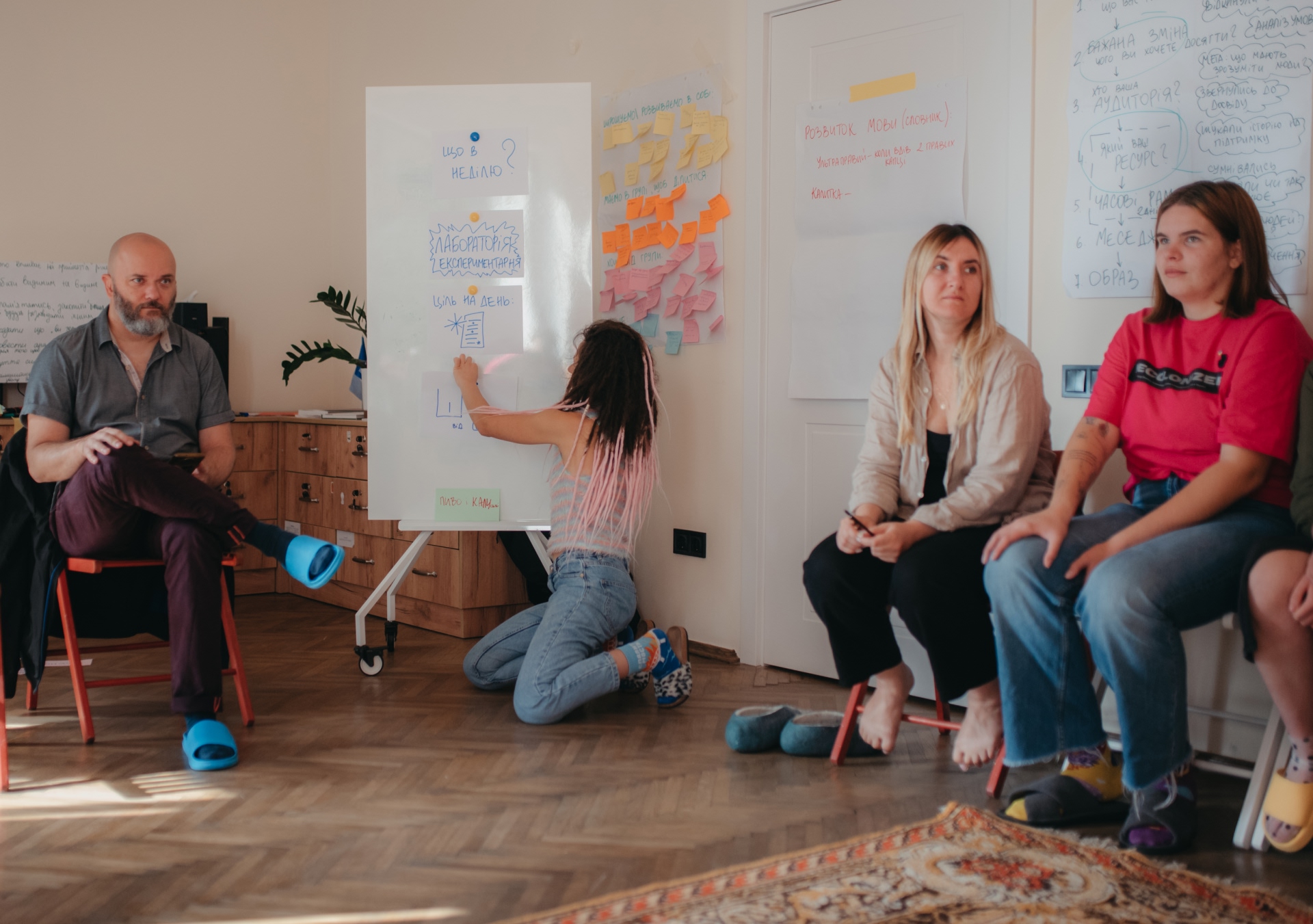
Later, another resource center opened in the city. Today, people can not only work there but also hold trainings, join STAN internships, and even use the basement as a shelter. The center includes large coworking halls, office rooms, restrooms, a kitchen, and apartments where guests can stay overnight if needed.
Events there are free to host not only for STAN and its partners, but also for other civic organizations — one simply fills out an application form.
In Ukraine, Global Platforms is a coalition of several partner organizations working within YDA’s BAF project:
‣ STAN, which empowers grassroots initiatives and active citizens through non-formal education;
‣ Zakhyst from Chernivtsi, which advocates for inclusion and accessibility;
‣ Tenet, which protects the rights of the Romani community;
‣ Insight, which defends LGBTQ+ rights.
All four organizations collaborate and implement joint activities.
“If we hold a training on inclusion and accessibility, Mariia Nikitina from Zakhyst joins as our expert. If we talk about equality and feminism, we invite partners from Insight who share their experience. The Tenet team participated in a decolonization workshop. Having this dialogue is crucial — especially now, when many people have new social roles and need space to be themselves and express their needs,” explains Valeriia Tkachenko from STAN.
This mutual reinforcement works. Thanks to an open lesson on barrier-free environments, Zakhyst involved over 400 students in addressing accessibility issues in Chernivtsi schools. Insight created a major information campaign sharing stories from the LGBTQ+ community and promoting equality. And after Tenet’s training on decolonization and countering hate speech focused on Romani people, many participants said they wanted to learn more about Romani culture.
Global Platforms also helped the program reach an international community, so Ukrainian youth could counter propaganda — especially important in African countries where Russia is increasing its influence. Through the network, Ukrainian youth gained access to these audiences to share the truth about life in wartime.
One example is Kateryna Shulakova, who had long been involved in local activism. Since the start of the full-scale invasion, she has helped people evacuating from her native Luhansk region. Eventually, she joined YDA as an ambassador and later became part of the STAN team.
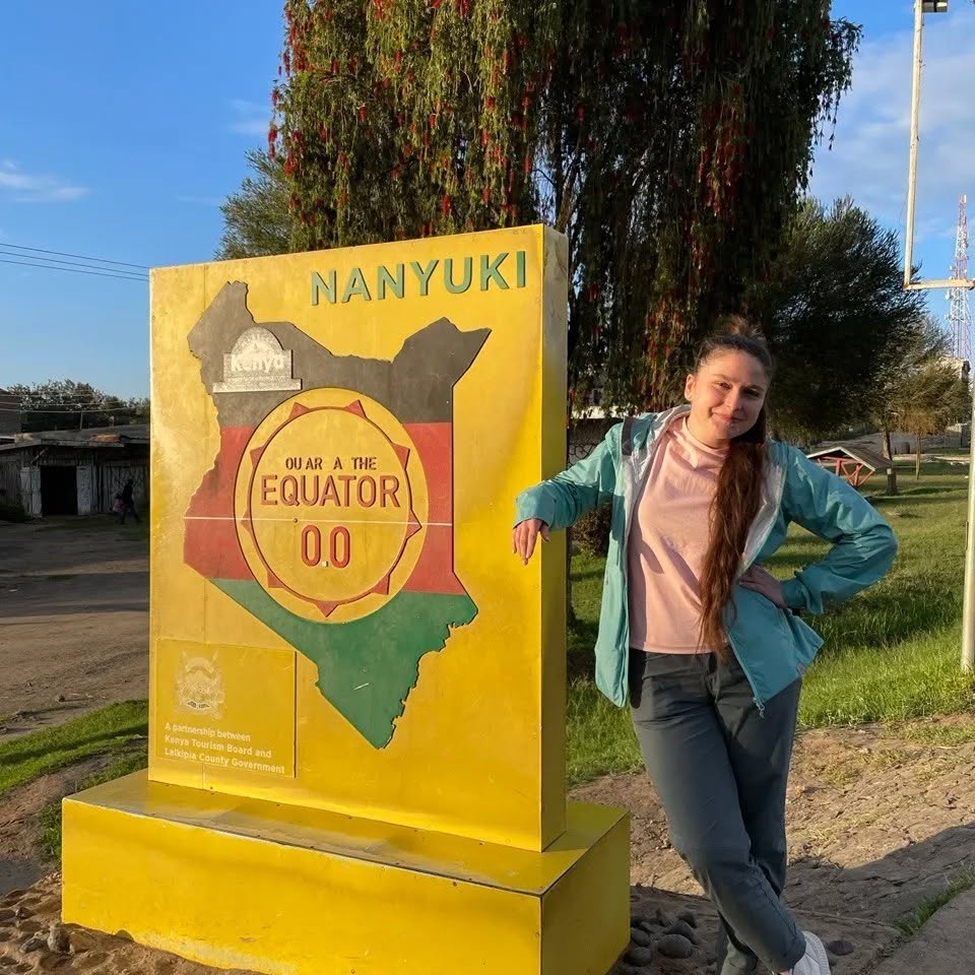
In early 2025, Kateryna travelled to Tanzania for a networking event that brought together representatives of Global Platforms from around the world. The meeting aimed to reconnect the hubs, understand one another’s contexts, and develop joint ideas to strengthen the network. The countries represented were diverse — from Italy to Moldova and Mali.
One evening was dedicated to solidarity and the cultures of participating countries. Many spoke about wars and armed conflicts — Kateryna showed a map of Shahed drone attacks and photos of her friends serving in the army. It was vital to show that the war continues.
“Everyone was impressed by what we do for youth and the scale of our inclusion efforts. I was also genuinely surprised by the great interest and respect I received from people from African countries. And although you can’t compare the level of conflicts, there was real understanding in their eyes,” Kateryna recalls.
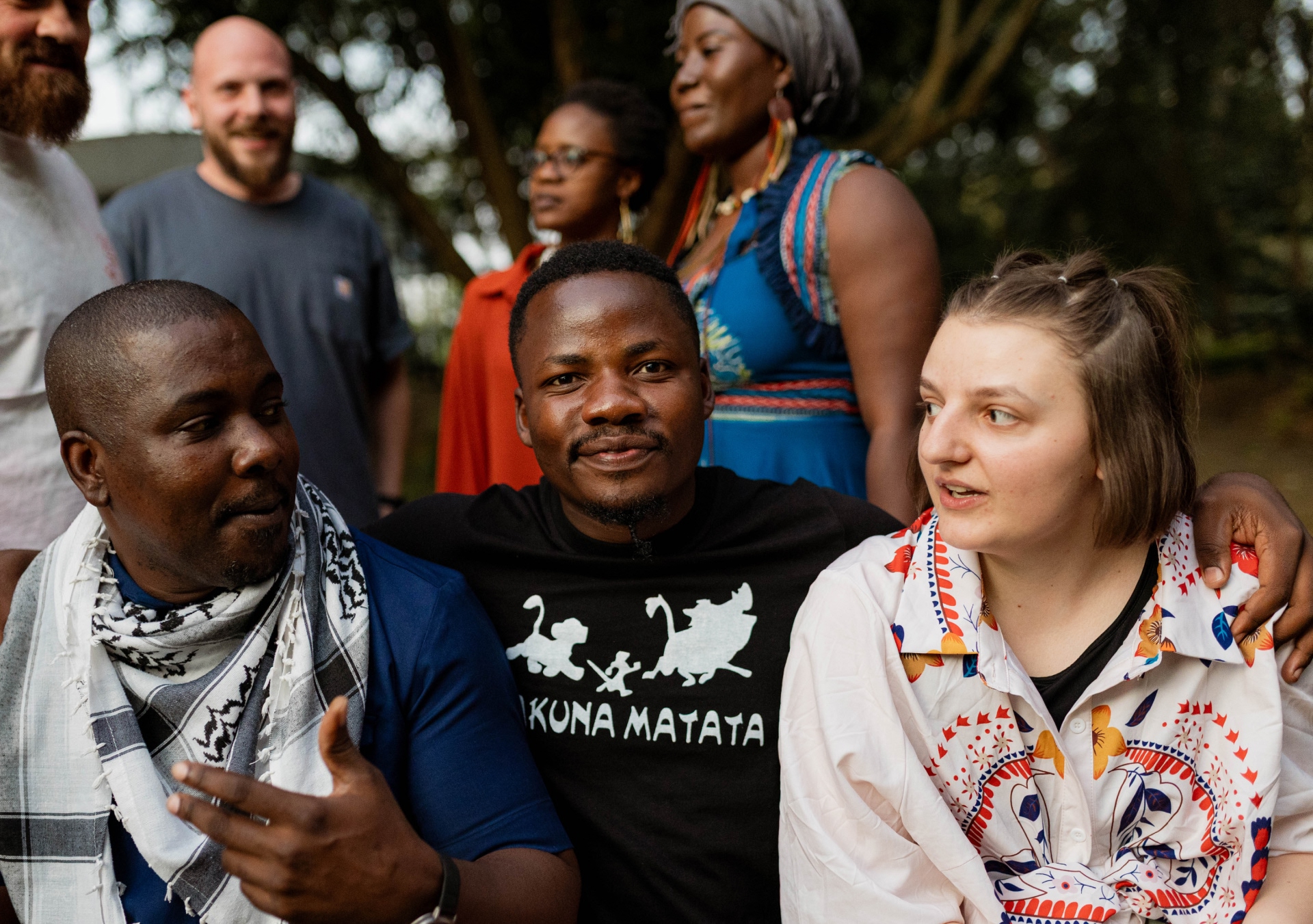
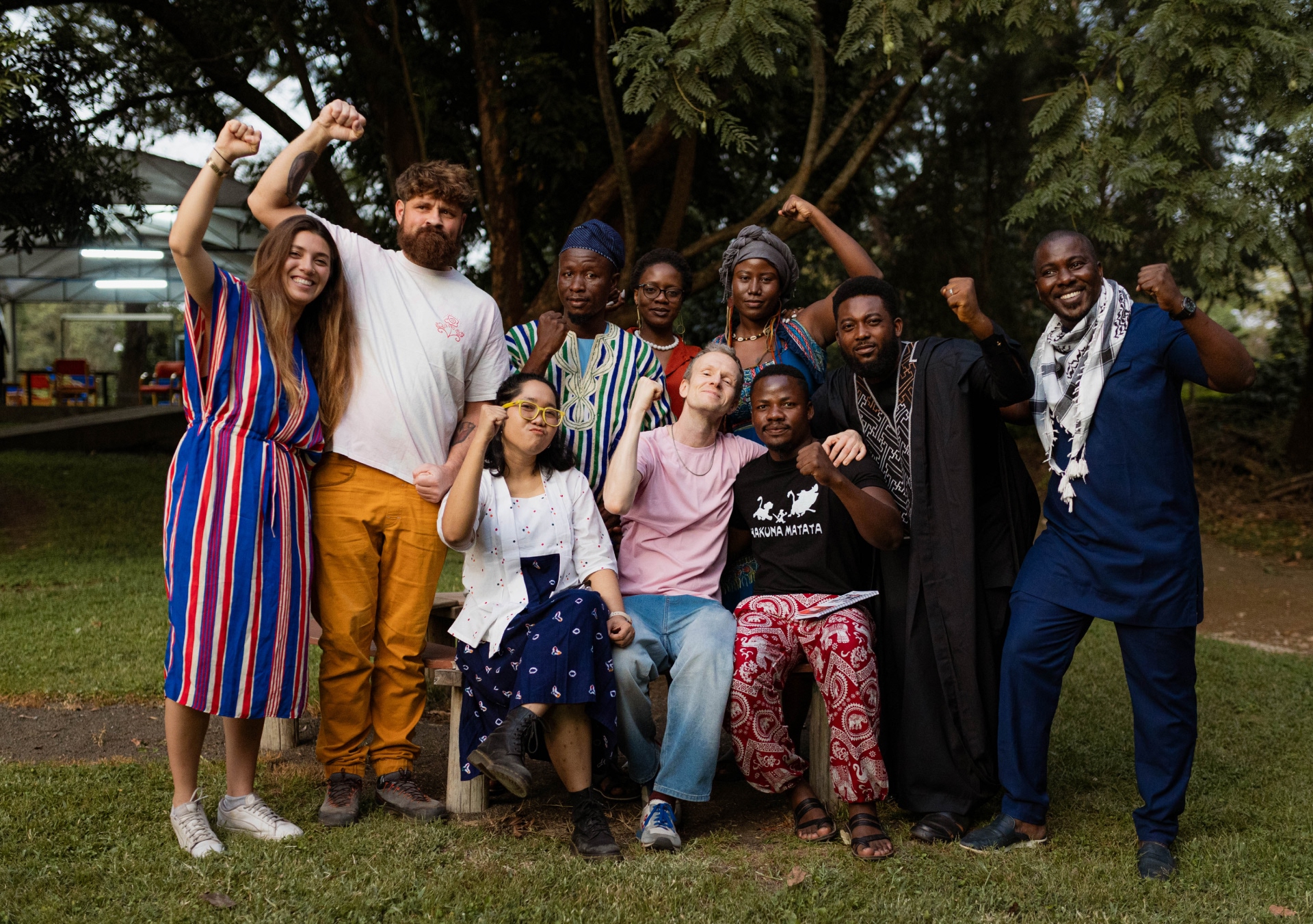
She says the most valuable part of the trip was meeting participants from African countries, the Logos organization from Poland (founded by people from Crimea), and Georgian activists.
“But perhaps most memorable was meeting a woman from Mali. Although it hasn’t yet led to a big exchange of knowledge, we at least learned about each other’s contexts. We still keep in touch — she always asks how we are and whether we’re safe, and she tells me what’s happening in Mali,” Kateryna says.
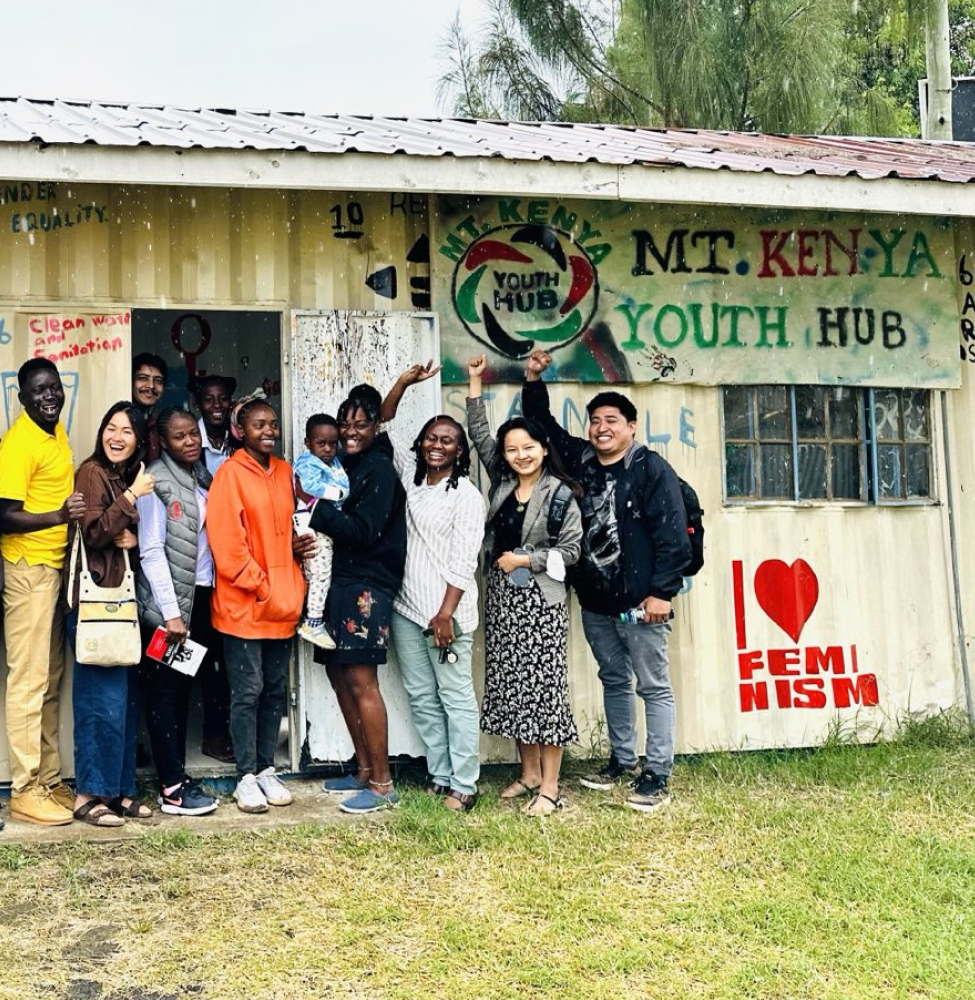
Beyond Tanzania, the STAN team visited Kenya, where they discussed the role of youth in humanitarian crises and shared stories about how young Ukrainians meet the needs of the military and civilians.
Key Areas and Ambassador Stories
Under the umbrella of Young Diversity Ambassadors and Global Platforms, the coalition runs themed trainings within the BAF project — serving as a springboard for activists’ ideas.
Barrier-Free Environments
STAN organizes trainings on accessibility with the Chernivtsi-based Zakhyst, which has broad experience in accessibility, human rights protection, and supporting vulnerable groups. Zakhyst also consults institutions and communities striving for inclusivity, conducts staff trainings on working with people with disabilities, and audits hospital spaces for accessibility — followed by detailed recommendations for improvement.
Ambassadors interested in making their cities barrier-free can join Zakhyst’s sessions and gain both solid theoretical grounding and practical skills — for example, a walk through Chernivtsi to assess urban accessibility. Zakhyst also conducts online webinars and university discussions, supported by educational videos and a large advocacy campaign about the importance of a barrier-free environment in Ukraine.
Oksana Bohutska, project manager at the Chernivtsi Youth Center “Residence of Youth,” took part in the YDA BAF project and, with colleagues, implemented the initiative “Dialogue Without Barriers.”
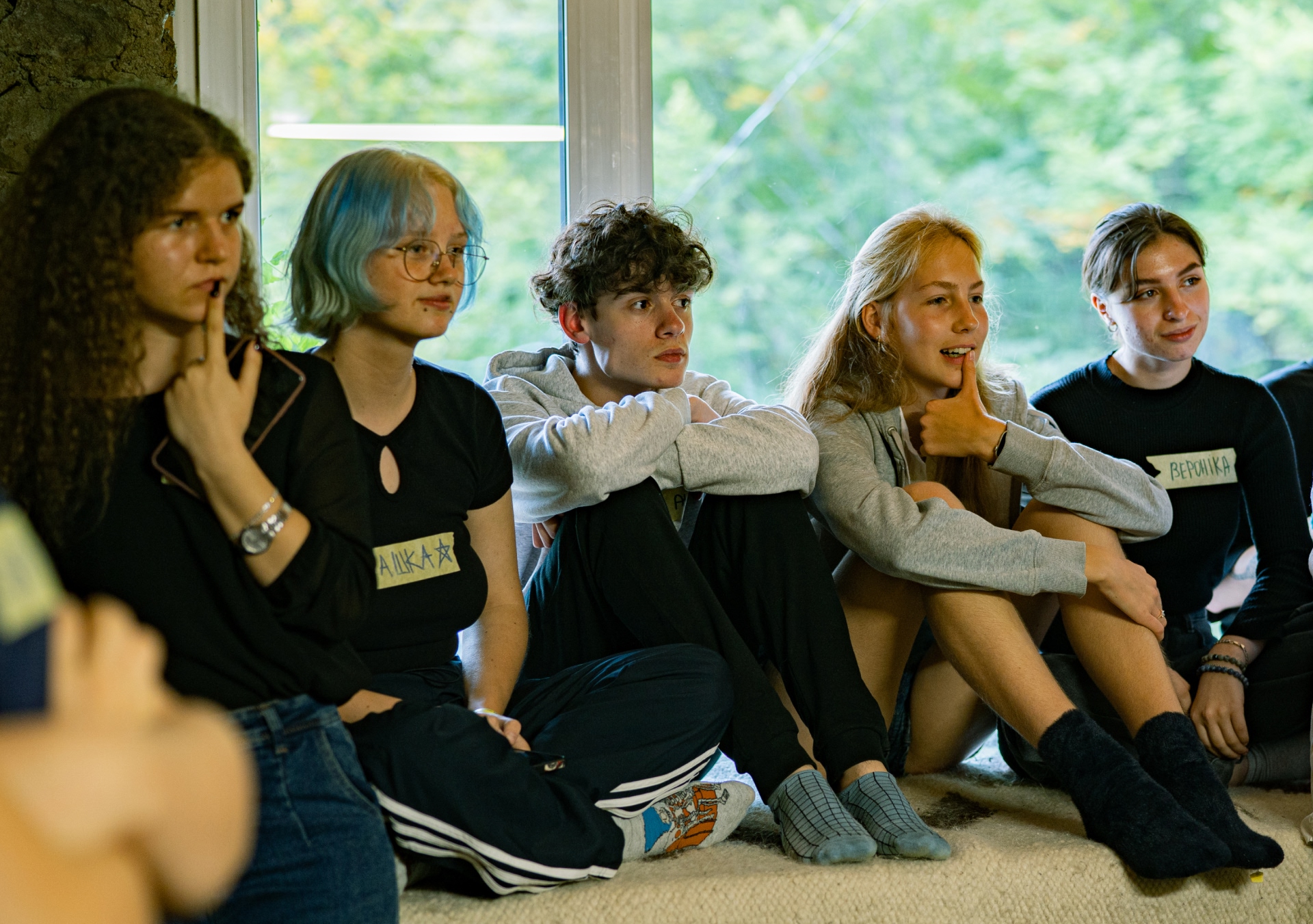
“I saw a training from Zakhyst on barrier-free youth work and decided to register. Afterward, we took project management training. We already wanted to engage in inclusion, and during the training, we developed a clear idea,” Oksana recalls.
They ran many activities — besides auditing the city’s accessibility, participants learned about the national barrier-free guide.
“We decided that since we work with youth who spend a lot of time on social media, we should make videos. That’s how ten informational clips appeared — talking about accessibility and engaging young people. We received great feedback,” Oksana says.
Volunteers shared practical advice on using inclusive language and adapting workplaces for people with disabilities. Oksana and her team worked on scripts with Zakhyst experts.
“The experts helped us refine the idea, highlight the goal, and show the grantor that we wanted to create a truly educational project. I encourage everyone to apply — because inclusion is especially vital in wartime. We must ensure people with disabilities can adapt to the environment,” Oksana concludes.
Countering Hate Speech
STAN also works on countering hate speech, supported by colleagues from the Romani organization Tenet, which conducts thematic trainings. The team has deep experience developing youth movements and preserving historical memory — particularly of the Romani genocide.
Tenet also organizes lectures with partners and spreads its expertise through educational videos. Upcoming plans include a series of one-day workshops on countering hate speech so that local communities can gain this knowledge too.
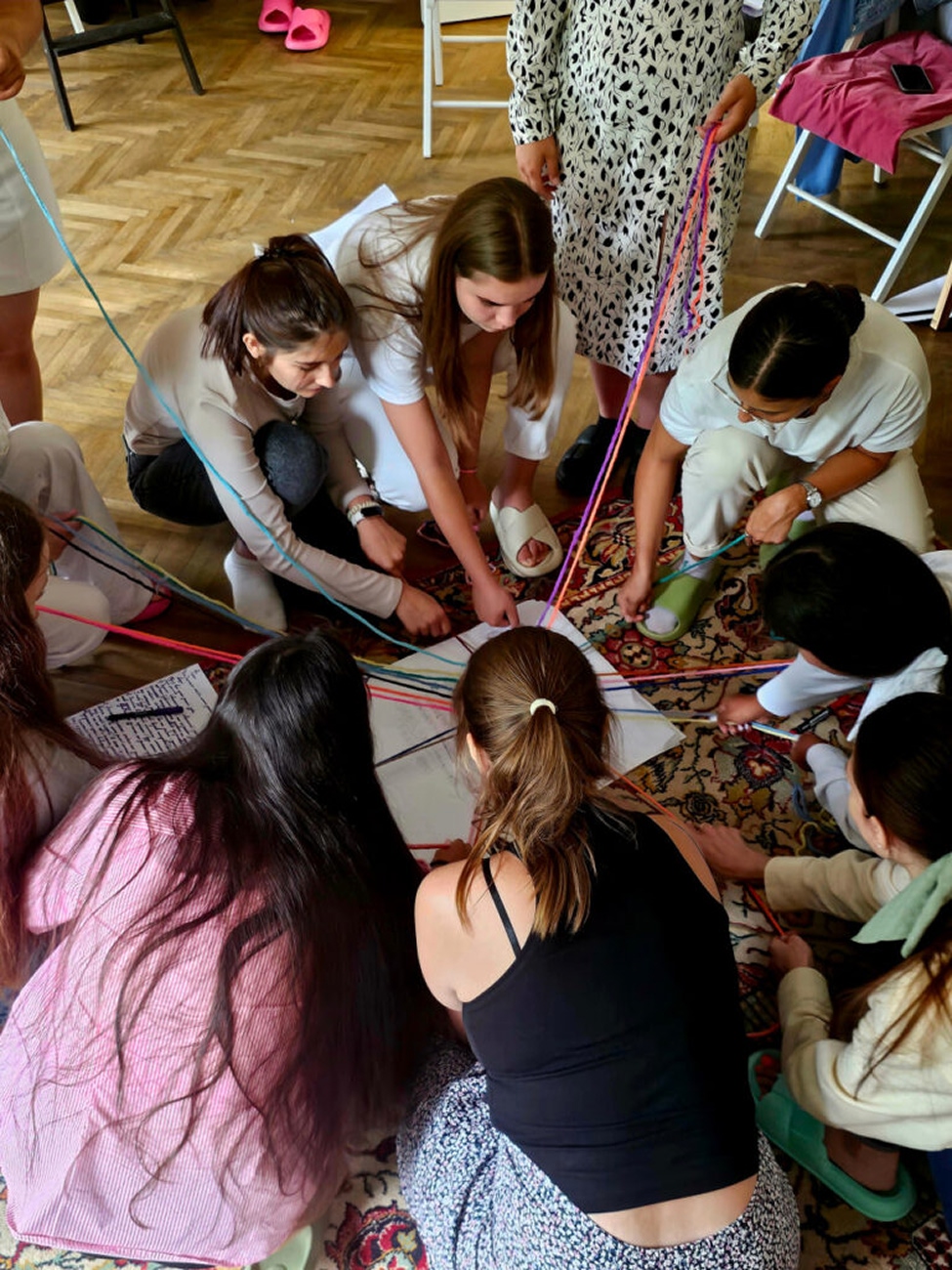
A recent example is the four-day training “Roma. Media. Action!” for young activists, conducted by Tenet and STAN with ActionAid’s support. Participants learned to challenge stereotypes and build a positive image of the Romani community in the media.
One participant, Volodymyr Naumka, a Romani activist from Kryvyi Rih, implemented an educational project called “Voice of the Roma,” aimed at reshaping young people’s perception of the Romani language and culture.
Together with students, Volodymyr created a series of educational videos on social media to highlight the beauty and uniqueness of the Romani language. The initiative also helped debunk common myths about the community.
“I’d already wanted to make such videos — the idea was halfway formed before the training. But Tenet helped with materials. What I remember most is collaborating with youth. I’m older — I have a 16-year-old daughter — but by involving her friends and other young people, we came up with great ideas. They even suggested what would work best online. I saw genuine interest in Romani culture — and that’s the most important result,” he shares.
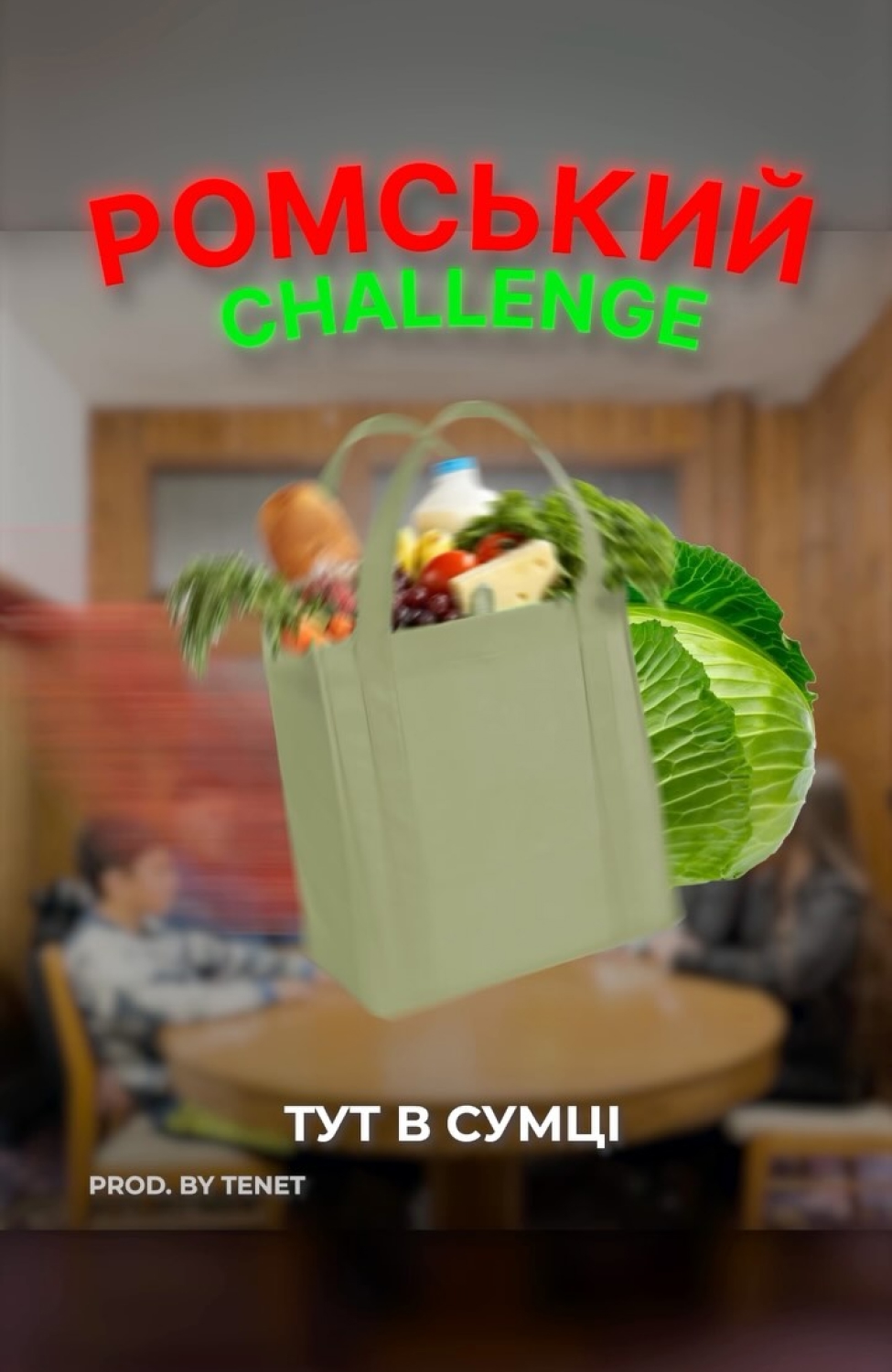
The project’s videos featured Romani words for favorite dishes and foods, dance lessons, and linguistic challenges — all receiving positive feedback and about 7,000 Instagram views.
“The favorite was a challenge where I named products and the youth said how they sound in Romani. That video exceeded expectations. Many young people want to do similar projects, but are just afraid. I’d tell them to be brave and go for it — especially when organizations like STAN exist to support you,” Volodymyr says.
The program helped him not only with guidance but also financially. Though “Voice of the Roma” has ended, Volodymyr continues developing new ideas to keep breaking stereotypes about Romani people.
Feminism and LGBTQ+ Rights
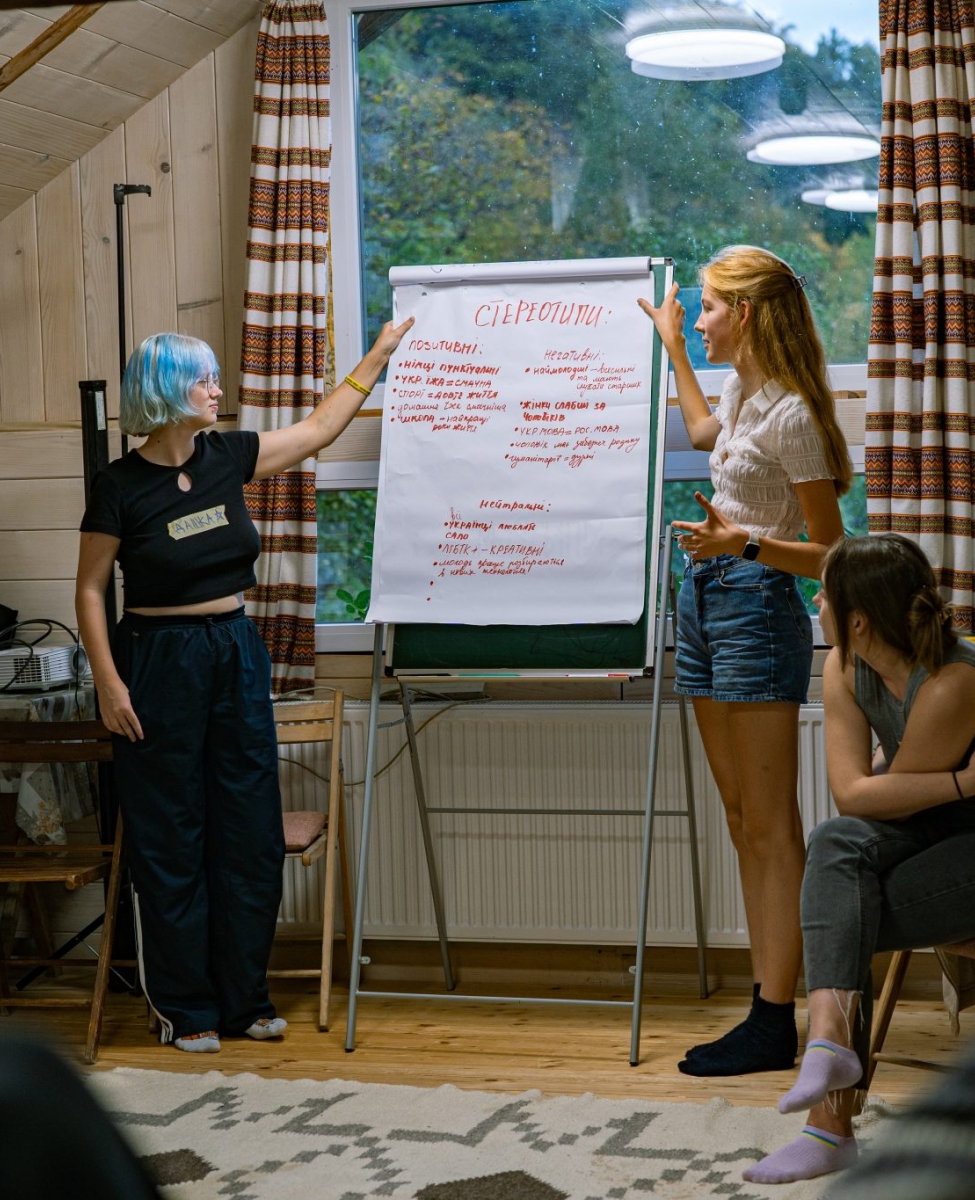
Workshops on gender equality and LGBTQ+ rights are conducted jointly by STAN and Insight. Participants learn, develop their ideas with mentoring support, and can receive mini-grants to bring them to life. Most importantly, these sessions raise topics that were once taboo or underrepresented in society.
Insight plans to hold regional educational discussions and complement them with media and social-network campaigns.
“It’s hard for me to single out the most successful initiatives. They’re all valuable — they address important social issues. Some talk about youth participation in decision-making, others about stereotypes toward the Romani community, inclusion, or LGBTQ+ visibility in Ivano-Frankivsk — a rather religious city where diversity still faces stigma. And if we make even one or two people think differently, the activity was worth it,” says Valeriia Tkachenko.
Ever-Expanding Opportunities
After trainings implemented by the coalition, STAN invites ambassadors to develop ideas in teams.
“We have small seed funding for first projects and want to support young people in their first steps in activism. So we hold a two-day brainstorming event where they develop ideas with experts. The next step is implementation,” Valeriia says.
One of the program’s final activities is an international visit for participants. STAN has partner organizations abroad, including Moldova’s civil sector, and plans to connect with groups in Georgia.
“For us, this is international solidarity — learning from one another’s experiences. They may differ, but we have a lot to learn,” says Valeriia.
The program culminates in a networking forum, where ambassadors meet, share project experiences, brainstorm joint ideas, and propose ways to develop YDA further. After completing a training cycle, opportunities only grow. STAN encourages activists to join basic workshops, thematic trainings, and educational visits available through the expanding YDA program.
“There, young people become even more resilient, grow, and work directly with us,” Valeriia concludes.
Today, STAN aims to launch a large information and advocacy campaign with partner organizations, gain support from the Ministry of Education and Science, and bring in new partners to strengthen the program.
Selection and Competition
Current opportunities and workshops are announced by partner organizations on social media, which also handle selecting participants. STAN serves as an information platform that gathers all announcements.
According to Valeriia, priority goes to youth from rural areas and small towns, where access to non-formal education is limited. A special advantage is that, after training, these young people return home and begin discussing issues that their communities had previously ignored.
The training format is hybrid — there are online activities (often by Insight or Tenet) that engage people nationwide, and offline trainings mostly in Chernivtsi, Ivano-Frankivsk, and Ternopil regions.
Every three months, STAN organizes basic workshops open to all applicants. To apply, one submits a form describing motivation and experience. Special attention is given to activists from frontline areas and small communities, families of fallen defenders, LGBTQ+ representatives, and veterans.
“We don’t always focus on status. If someone writes that they’ve been head of a youth council five times and won ten competitions, that’s more likely a ‘no’ than a ‘yes.’ It means their social lift works fine. Our jury prefers those who show real potential for growth,” says Yaroslav Minkin.
Each season, 80-100 people are selected and grouped into teams of 20-25 for four workshops. Competition is high — typically 4-8 applicants per place — but dropouts frequently open opportunities for others.
Meaningful Feedback
Youth are eager to join the Young Diversity Ambassadors community — confirmed by a survey conducted by STAN. New participants highlighted shared values, supportive people, and a space for self-realization.
Those who stayed longer emphasized collective development, personal growth, and strong mentorship — including emotional support. Participants active for six months to a year noted YDA’s societal impact, personal transformation, experience, and travel opportunities.
Above all, shared values, a sense of belonging, and mutual support keep young activists engaged. Ninety-three percent of respondents said they would continue their civic engagement after the project ends.
“I once visited a city for a school meeting on social entrepreneurship. There was a 15-year-old boy, and we started talking about inclusion. He told me, ‘I know everything about bullying.’ It turned out he had been bullied for years. Three years later, he joined our program and later launched his own decolonization city tour project — at just 16. Then he volunteered at our resource center and even represented Ukraine abroad. Young Diversity Ambassadors helped him become a true star of his community,” recalls Yaroslav Minkin.
Overall, according to Yaroslav, the program has already given rise to over 50 new organizations and initiative groups, while many other participants have become recognized experts and leaders — transforming their status locally and even nationally.
The project “Network for Democracy: Building the Future with Europe’s Leaders of Tomorrow” is implemented by STAN and ActionAid, in partnership with the Center for Social Transformations TENET, Insight, and the Chernivtsi Association Zakhyst, with support from the Ministry of Foreign Affairs of Denmark. It is part of the Young Diversity Ambassadors program.
This program supports youth and youth workers in strengthening social cohesion to create an inclusive, peaceful society, minimize conflicts between different groups, and accelerate the integration of internally displaced young people. It is implemented by STAN in partnership with ActionAid, with support from the Disasters Emergency Committee (DEC), Global Fund for Children (USA), Terre des Hommes (Germany), and IM Swedish Development Partner (Sweden).
Any opinions expressed in this publication belong to Platfor.ma and STAN and do not necessarily reflect the views of ActionAid or the Government of Denmark.